Service Overview
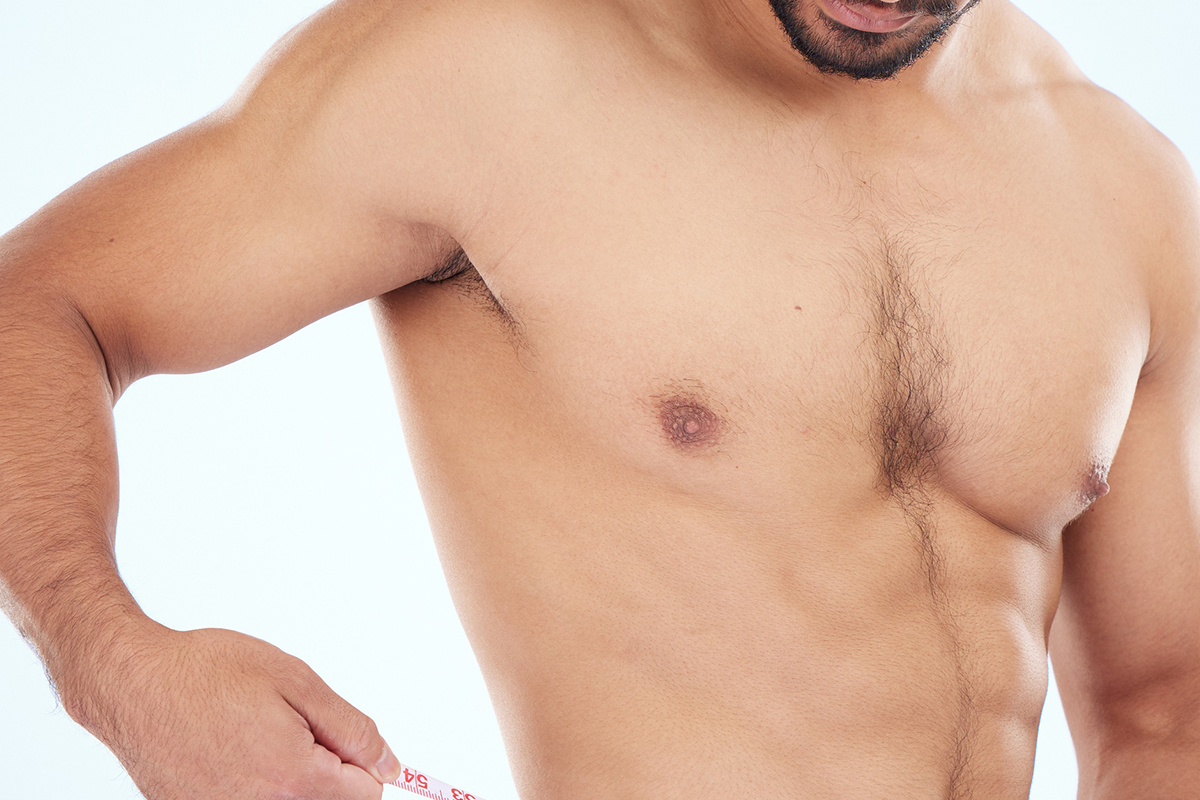
Gynecomastia is a medical condition characterized by the enlargement of glandular breast tissue in males. This condition may arise from a hormonal imbalance between estrogen and androgen, as a side effect of certain medications, or due to localized fat accumulation. At Passion Clinics, our Male Gynecomastia Treatment includes both surgical and non-surgical interventions. These procedures aim to remove excess tissue or perform liposuction to achieve a natural chest appearance, focusing on delivering satisfying aesthetic and functional outcomes for the patient.
Primary Objectives of the Procedure
- Glandular Tissue Excision: To surgically remove abnormal accumulations of glandular and fatty tissues, which are the primary components of gynecomastia.
- Chest Recontouring: To reshape and restructure the chest profile to align with masculine anatomical characteristics.
- Aesthetic Symmetry: To achieve a balanced, well-defined chest appearance that reflects a natural physique.
- Physical Symptom Correction: To address physical discomfort associated with the condition, such as localized pain or sensitivity.
Key Benefits of Treatment
- Restoration of Natural Anatomy: Reshaping the chest to provide a flat, contoured look that complements the male frame.
- Enhanced Psychosocial Well-being: Results significantly boost self-confidence and alleviate the psychological burden associated with the condition.
- Improved Functional Performance: Removing excess tissue allows patients to engage in physical activities and sports with greater freedom and comfort.
- Better Posture: Eliminating excess weight in the chest area can improve body posture and reduce strain on the back and shoulders.
Ideal Candidates for the Procedure (Eligibility)
- Individuals with noticeable or persistent breast enlargement that does not respond to conservative treatments.
- Those in good general health, free from chronic conditions that could interfere with surgical intervention.
- Cases that have not improved through non-surgical means, such as targeted exercise or dietary adjustments.
- Patients who maintain a healthy, stable weight, as obesity can negatively impact the final surgical results.
- Individuals with realistic expectations regarding the outcome and a clear understanding of the procedure’s limitations.
The Treatment Journey: Step-by-Step
- Examination and Initial Consultation: The process begins with a physical assessment by a specialist plastic surgeon to evaluate the chest area, tissue type (glandular vs. fatty), and the grade of gynecomastia. Laboratory tests and hormonal screenings are requested to rule out treatable underlying medical causes.
- Selecting the Appropriate Technique:
- Liposuction: Utilized if the enlargement is primarily fatty tissue or to refine contours after glandular removal.
- Surgical Excision: Necessary for removing glandular tissue through a discreet incision, often around the areola.
- Skin Tightening: In cases of significant skin laxity, a skin lift or nipple repositioning may be performed.
- Anesthesia and Surgery: The procedure is typically performed under general anesthesia or conscious sedation. The surgeon makes the incision, removes the excess tissue, and ensures proper skin draping.
- Post-Operative Follow-up: A compression garment is applied to minimize swelling. Regular follow-up visits ensure proper healing, suture removal (if necessary), and monitoring for any signs of complications.
Post-Operative Recovery Timeline
- Week 1: Immediate post-operative stage; expect mild swelling and discomfort, manageable with prescribed medication.
- Weeks 2 to 4: Avoid strenuous activities. Wearing the compression vest is essential to support the tissues and reduce edema.
- Weeks 4 to 6: Patients can gradually resume light exercise, provided they receive medical clearance from their surgeon.
- Months 3 to 6: The final results stabilize as swelling completely subsides and tissues settle into their new position.
Potential Side Effects & Considerations
- Transient Edema and Bruising: Temporary fluid accumulation and mild bruising that fade gradually.
- Surgical Scarring: Fine lines at the incision site that fade over time to become less noticeable.
- Sensory Changes: Temporary numbness or altered sensation in the chest area, which usually resolves within weeks or months.
- Minor Asymmetry: In some cases, slight differences in shape may occur after complete healing.
- Rare Complications: These may include localized infection or seroma (fluid buildup), both of which are rare and medically treatable.
Why Choose Passion Clinics for Your Transformation?
- Specialized Expertise: Our professional medical team is trained in the latest global techniques to ensure optimal safety and results.
- Advanced Technology: We utilize high-quality, fully sterilized tools to ensure surgical precision and a faster recovery.
- Integrated Care: We provide comprehensive consultations to tailor a treatment plan specifically to your anatomical needs.
- Safe & Comfortable Environment: We adhere to the highest international standards of hygiene to provide a reliable and professional patient experience.
Start your journey toward a more masculine, contoured physique today with Passion Clinics. Contact us to book your consultation.
Frequently Asked Questions
When will I see the final results?
Initial results are visible within 2 to 4 weeks as swelling subsides. However, the final contoured shape typically takes 3 to 6 months to fully stabilize.
Will the scars be noticeable?
Scars are permanent but are strategically placed—usually around the areola or in the natural skin folds—to be as discreet as possible. They fade significantly over time.
Is the procedure painful?
Post-operative discomfort is normal but well-controlled with prescribed painkillers. Discomfort is most noticeable in the first few days and improves steadily over two weeks.
Can gynecomastia return after surgery?
While the removed tissue does not grow back, new enlargement can occur if the underlying causes—such as significant weight gain, hormonal shifts, or the use of certain medications/steroids—are not addressed.
When can I return to the gym?
Light exercises can be resumed after 4 to 6 weeks. Strenuous chest workouts or heavy lifting should be postponed until your surgeon confirms the incisions are fully healed.